
Neurodiverse-Friendly Office Design: Why It Matters and How to Get It Right
Posted by Panel Screens on 7th Jun 2026
Posted by Panel Screens on 7th Jun 2026
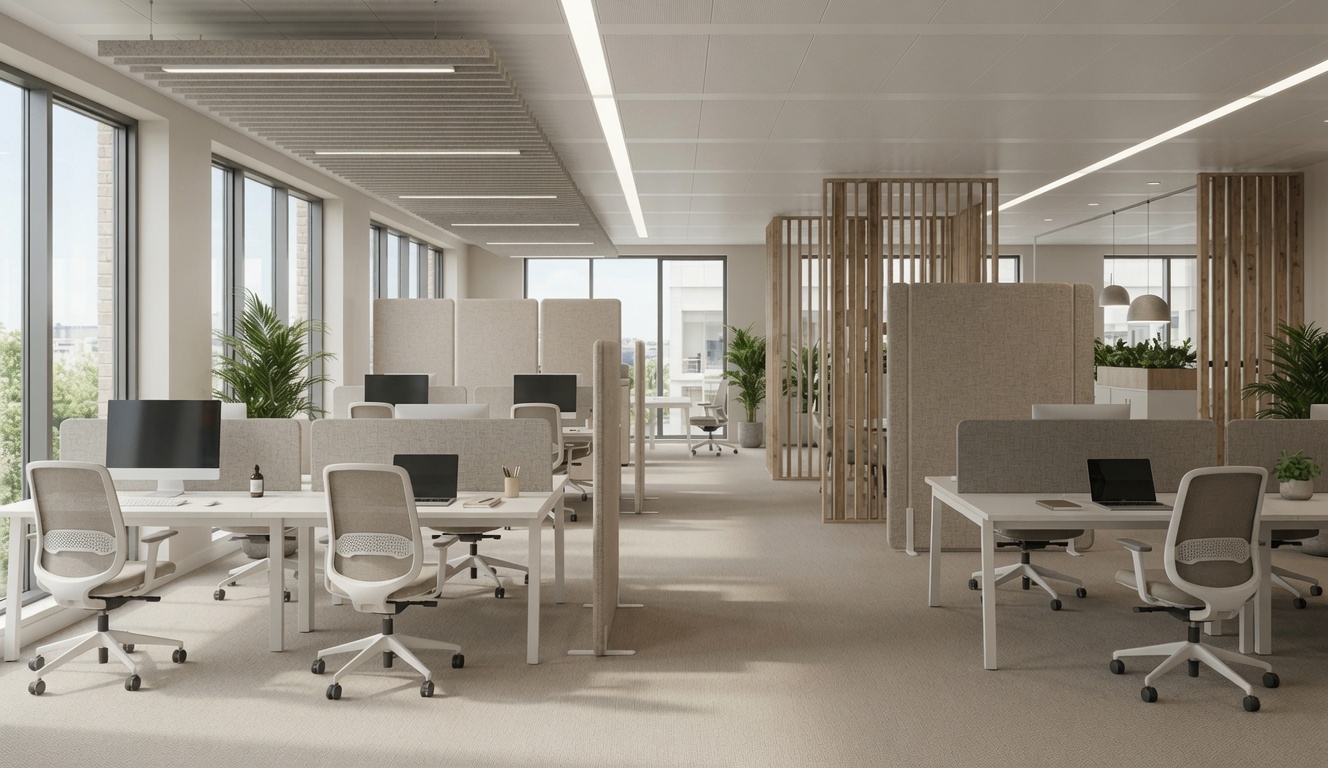
Workplaces are changing. More UK businesses now see that one office design does not suit everyone, and this is especially true for neurodivergent staff. Around 1 in 7 people in the UK are thought to be neurodivergent. Building a workspace that supports different ways of thinking and working is no longer optional. It makes good business sense.
Neurodiversity means the natural differences in how people's brains work. It includes ADHD, autism, dyslexia, dyspraxia and sensory processing differences. Neurodivergent people are often creative, detail-focused and full of ideas. But they can find it very hard to work in spaces that are loud, cluttered or unpredictable.
The good news? Thoughtful office design can make a big difference.
For many neurodivergent people, a standard open-plan office brings daily challenges:
You do not need a full redesign to fix these problems. A few smart additions, especially for sound and space, can change how the office feels for everyone.
Noise is the number one complaint in open-plan offices. For neurodivergent staff it can be truly exhausting. Cutting noise and stopping sound from travelling should come first.
Acoustic screens between desks block sound and give people their own personal space. They soak up sound before it spreads across the room, which cuts the constant hum of a busy office.
For ceilings, acoustic rafts work well. They hang flat above work areas and absorb sound from above. They are especially useful in rooms with high ceilings, where sound bounces around and builds up.
Acoustic wall panels add another layer of protection. They are useful in meeting rooms, breakout areas and next to open stairs, where noise easily carries.
Together, these create a much calmer space, where neurodivergent staff can concentrate without constant interruptions to their senses.
Neurodivergent people often work best when they have some control over their surroundings. That might mean a quiet corner for deep focus, or a shared space for creative work.
Office screens and room dividers make it easy to create separate zones in an open-plan office, with no building work. You can set up:
A folding display board can do two jobs here. It marks out a space, and it can hold signs, schedules or visual guides, which many neurodivergent people find very helpful.
Each desk matters too. Desk screens and acoustic desk screens give people a clear boundary around their own space. They cut visual distractions, muffle nearby chat and create a gentle sense of enclosure that many neurodivergent people find calming.
They are especially useful where staff hot-desk and do not have a fixed, familiar desk of their own.
If you want something more permanent, such as a sensory-friendly room or a low-stimulation area, an office partition wall is a practical choice. It is much quicker and cheaper than building work, and you can move it as your business grows.
If time or budget is tight, start in this order:
These changes do not just help neurodivergent staff. Quieter offices, clearer zones and less clutter improve focus, comfort and wellbeing for the whole team.
Investing in the right acoustic and space solutions is one of the best things a business can do. It helps with inclusion, and it also boosts productivity and staff retention.
Neurodiversity refers to natural differences in how people's brains work, including ADHD, autism, dyslexia, and dyspraxia and recognising that these differences can be genuine strengths in the right environment.
For many neurodivergent people, background noise is not just distracting, it can cause genuine sensory overload, making it extremely difficult to focus, communicate, or feel comfortable at work.
Yes. Acoustic screens absorb and deflect sound at the source, significantly reducing noise travel across open-plan offices and creating a calmer, more manageable working environment.
Absolutely. Reducing visual clutter, creating defined quiet zones, and adding desk screens to limit distractions are all practical design changes that make a meaningful difference for employees with ADHD.
Yes, quieter spaces, better zoning, and reduced sensory overload improve focus and wellbeing for everyone in the office, not just neurodivergent staff.
Looking to make your office more comfortable and inclusive? Explore Panel Screens range of acoustic screens, desk dividers, partition walls, and acoustic rafts are designed to help every kind of mind do its best work.